The construction of a new house is a great experience, yet cost management is critical. The cost of installing and replacing windows is one of the biggest costs in home construction. Home window replacement cost estimates in the construction of a new house can assist homeowners in budgeting appropriately and prevent unforeseen costs.
The price depends on the quality of the windows, the material used, the size, and the labor involved in installation. When you are planning to construct new structures, then these cost factors will make your financial decisions better. Here are some simple and practical ways to estimate window replacement costs during home construction.
Understand Window Material Types and Their Cost Impact
The nature of window material makes significant contributions to a home window replacement cost during the construction of a new home. Vinyl, wood, aluminum, and fiberglass are common window materials. Vinyl windows are typically the cheapest and do not need a lot of maintenance.
Wood windows cost more and have a vintage and classy look. They are more expensive to maintain and offer very good insulation and natural scenery. Aluminum windows are light and strong and might not be very insulating. Fiberglass windows tend to be costlier but have become very durable and energy efficient.
Consider Window Size and Design Complexity
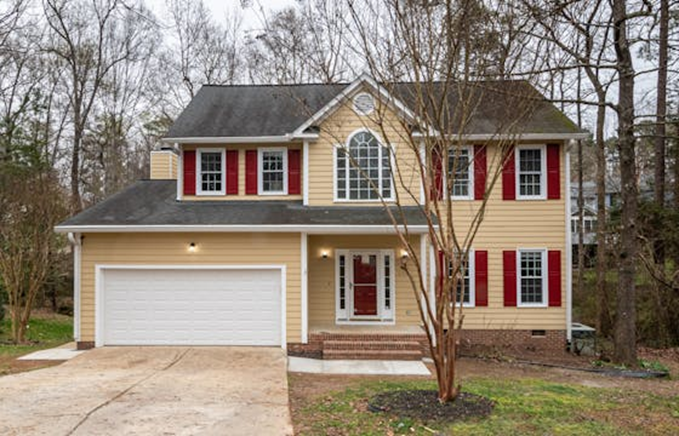
The size of the windows has a direct impact on replacement and installation. Large windows consume more materials and labor, which are costly. Windows of any particular shape, like arched or panoramic, are also more expensive than standard rectangular windows.
In the construction of a new home, the use of standard-sized windows tends to be cheaper. Bespoke designs can enhance the beauty of homes but escalate the expenses of the project. Homeowners must make wise choices about which rooms require ornamental or oversized windows and those able to use standard sizes. Simple designs assist in managing costs while still delivering natural lighting and ventilation.
Factor in Energy Efficiency Features
Modern construction is using popular energy-efficient windows that can help cut down utility bills in the long term. But these windows can also lead to a higher initial home window replacement cost in new home construction. The energy-efficient windows tend to incorporate the double or triple glazing, internal framing, and special coating that minimize heat loss.
Even though the energy-saving windows are expensive initially, they save money in the long run by saving on heating and cooling costs. With extreme weather conditions, installing energy-saving windows is a long-term good financial move. Homeowners must compare initial installation costs and long-term energy savings to make final decisions.
Include Labor and Installation Expenses
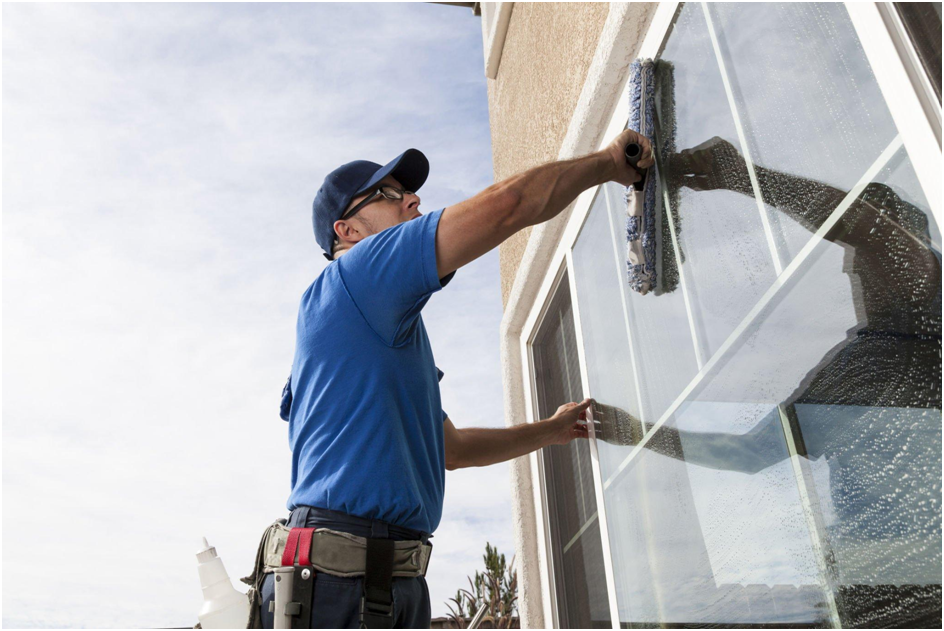
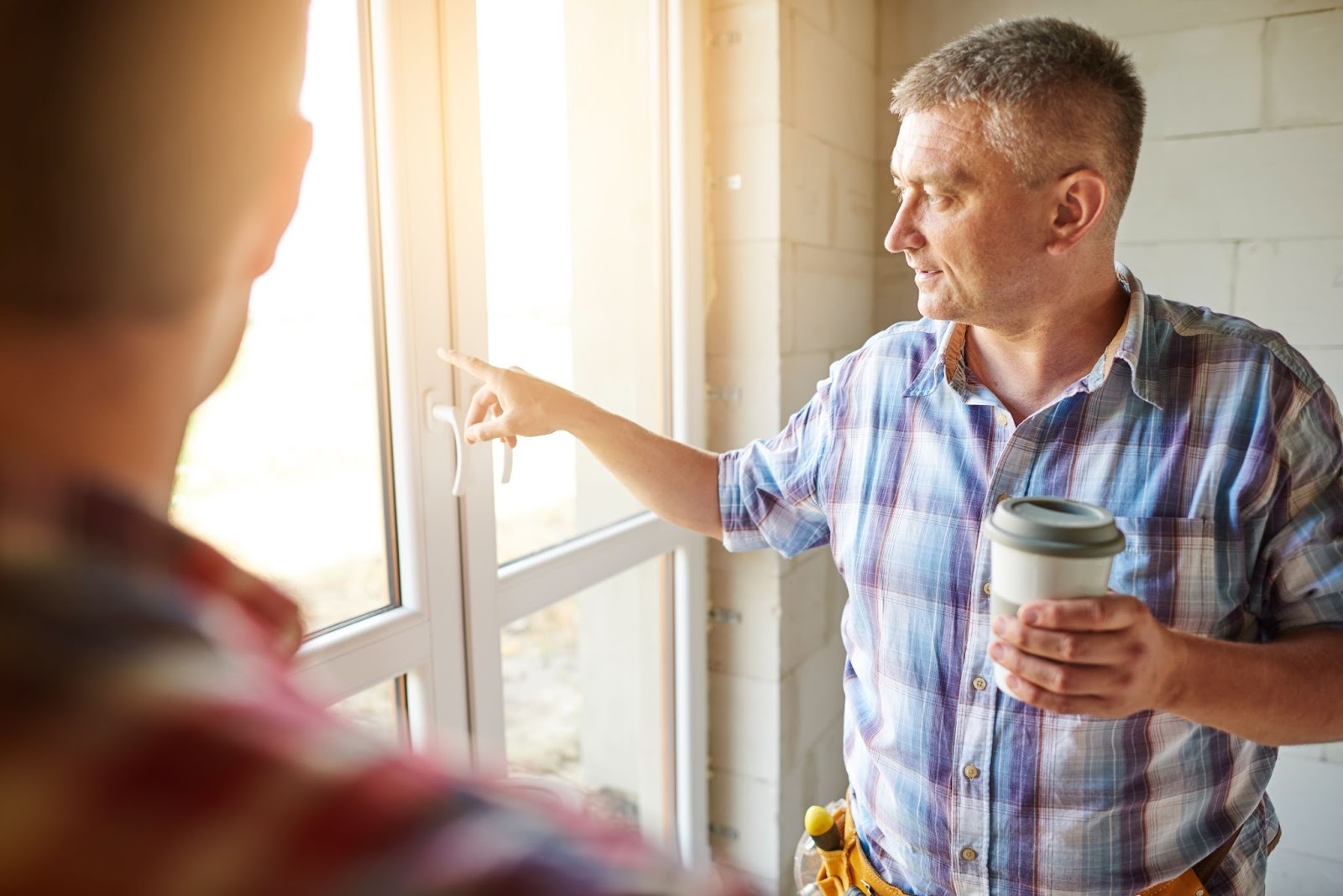
Another factor that matters in estimating window replacement costs is labor cost. Professional installation means correct sealing, insulation, and stability. Poor installation may result in air leakages, moisture problems, and increasing energy bills.
Prices of labor differ with location, experience of the contractor, and the complexity of the project. Professional installers would be expensive, but it would guarantee quality work and durability. In a construction budget, installation cost, in addition to the material cost, should always be included.