A well-functioning home depends on the seamless operation of multiple systems, from plumbing and drainage to waste management. When these systems fail, even minor issues can escalate into costly repairs, health hazards, and daily inconveniences.
Keeping things flowing smoothly requires a combination of preventative maintenance, timely interventions, and the expertise of qualified professionals. By focusing on plumbing efficiency, septic system care, and drain maintenance, homeowners can ensure their living environment remains comfortable, safe, and fully operational.
Understanding the Importance of Flow
Water and waste flow are central to the functionality of a home. Kitchen sinks, showers, toilets, and outdoor drainage rely on properly maintained plumbing to operate efficiently. Disruptions—such as clogs, leaks, or stagnant water—can compromise sanitation, damage property, and create unpleasant odors. Recognizing the interconnected nature of plumbing systems helps homeowners prioritize maintenance and identify issues early.
Routine Inspections and Preventative Measures
Regular inspections of pipes, fixtures, and drainage systems are essential to prevent blockages and leaks. Look for signs of slow drains, unusual odors, or water pooling around your property. Minor issues caught early are easier and less costly to address than emergencies that require extensive repair.
Preventative measures include installing strainers in sinks, avoiding the disposal of grease or non-degradable materials in drains, and periodically flushing systems to reduce buildup. These small steps maintain efficiency and extend the lifespan of plumbing components.
Partnering with Septic Tank Companies
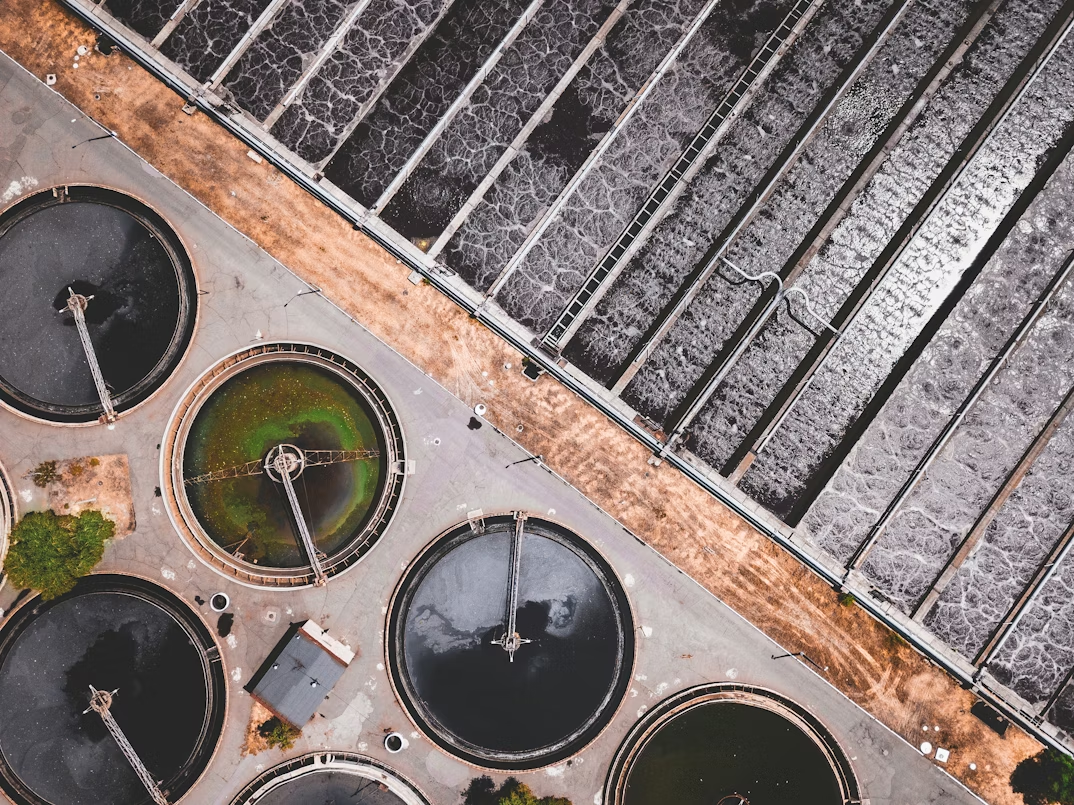
For homes that rely on septic systems, professional maintenance is vital. Septic tank companies offer services such as regular inspections, pumping, and repairs to ensure proper functioning. A neglected septic system can lead to backups, contamination, and structural damage to your property.
Regular pumping schedules prevent solids from accumulating, while inspections detect early signs of tank corrosion, leach field issues, or pipe blockages. Septic professionals provide advice on safe water use and waste management practices, helping homeowners avoid costly emergency repairs and environmental hazards.
The Role of Drain Cleaning
Clogged drains are one of the most common disruptions in a household. Accumulated hair, grease, soap scum, and debris can cause slow drainage, overflows, and even pipe damage. Professional drain cleaning services use specialized tools such as hydro-jetting, augers, and camera inspections to remove obstructions safely and effectively.
Routine drain cleaning prevents recurring clogs and reduces the risk of plumbing emergencies. Combining professional services with homeowner best practices—such as avoiding flushing inappropriate materials or pouring chemicals down the sink—maintains consistent flow and improves overall system performance.
Maintaining Outdoor Drainage Systems
Proper management of outdoor drainage is equally important. Gutters, downspouts, and yard drains channel rainwater away from foundations, preventing flooding, soil erosion, and water damage. Regular cleaning and inspections ensure these systems remain clear of leaves, debris, and sediment, allowing water to flow freely.
Consider installing filters or guards to minimize debris accumulation and simplify maintenance. Ensuring outdoor water management complements indoor plumbing helps protect your property and reduces long-term maintenance costs.
Emergency Preparedness and Professional Support
Even with routine maintenance, plumbing emergencies can occur. Establish relationships with trusted septic tank companies and plumbing professionals to ensure rapid response when needed. Emergency services for blockages, backups, or leaks minimize damage, restore functionality quickly, and reduce stress for homeowners.
Documenting service schedules, repairs, and inspections helps anticipate future needs and ensures consistency in system care. A proactive approach prevents minor issues from becoming disruptive crises.