Traditional hash has been enjoyed for generations, and the Himalayan region is closely connected to some of the world’s most recognizable hand-crafted cannabis concentrates. Himalayan Hash appeals to hash enthusiasts because of its old-world character, rich aroma, dark appearance, and connection to traditional resin-collection techniques.
For Canadian consumers accustomed to modern extracts, Himalayan-style hash offers a different concentrate experience centred on texture, flavour, heritage, and craftsmanship.
What Is Himalayan Hash?
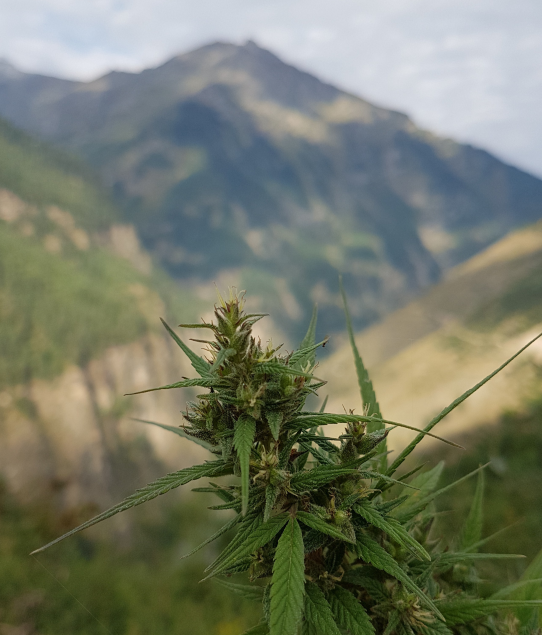
The Himalayan region has a long association with charas, a traditional form of cannabis resin made by collecting resin from fresh flowering plants.
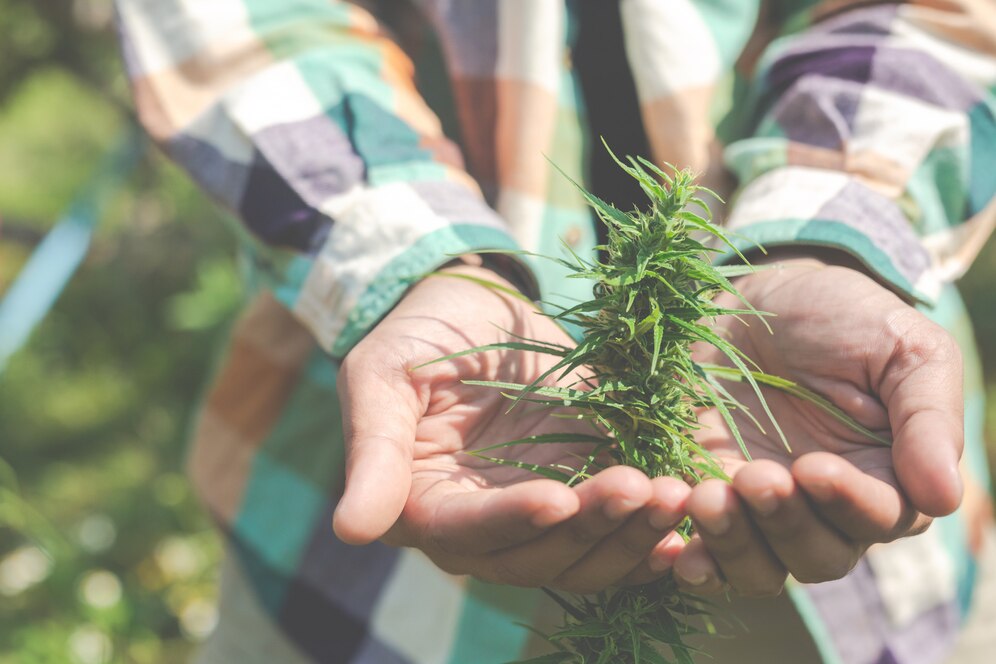
Unlike dry-sift hash, which separates trichomes from dried cannabis, traditional charas involves rubbing living cannabis flowers between the hands and collecting the sticky resin that accumulates. The material can then be formed into balls, sticks, or other shapes.
Traditional Appearance and Texture
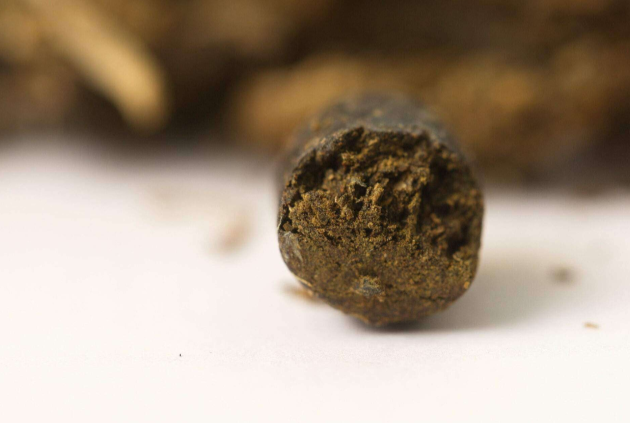
Himalayan-style hash is often dark brown or black on its exterior. Depending on the product and preparation, the interior may appear somewhat lighter.
Texture is another distinctive feature. Traditional hand-rubbed hash can be dense, soft, sticky, and pliable rather than dry or brittle.
Warming a small piece between the fingers can make it increasingly soft and workable.
Aroma and Flavour Profile
Classic Himalayan hash is often associated with earthy, spicy, woody, herbal, and resinous characteristics.
Depending on the cannabis used, subtle floral, pine, sweet, or incense-like notes may complement the deeper flavours.
Rich Traditional Cannabis Character
Consumers accustomed to fruit-flavoured products or sweet concentrates may find Himalayan hash noticeably different.
Its appeal often comes from the richness of its traditional cannabis character. Earth and spice may dominate the profile, creating a deep flavour that pairs naturally with its dense, resinous texture.
What Are the Effects Like?
Effects vary according to cannabinoid content, genetics, serving size, and individual tolerance. Hash is concentrated cannabis resin, so its effects can be stronger than those of conventional flower.
Traditional varieties are often appreciated for an experience combining cerebral euphoria with physical relaxation.
A Slow, Relaxed Experience
Himalayan-style hash can be especially appealing during quiet evenings when a slower pace is preferred.
Music, movies, conversation, or simply relaxing at home can complement the rich, traditional character of the concentrate.
Consumers unfamiliar with hash may want to begin conservatively because concentrates can deliver stronger effects than expected.
What Makes Himalayan Hash Special?
The strongest point of distinction is tradition.
Modern cannabis extraction can involve sophisticated equipment and carefully controlled processing. Traditional Himalayan hash reflects a much older approach centred on manually collecting and working cannabis resin.
Hand-rubbed resin traditions remain closely associated with Himalayan areas of India and Nepal.
A Concentrate with Character
Traditional hash is not necessarily valued because it looks perfectly uniform. Differences in colour, shape, softness, and aroma can be part of its artisanal appeal.
For enthusiasts, these qualities give classic hash an identity that is difficult to reproduce with highly refined modern concentrates.
Storing Himalayan Hash
Airtight storage away from excessive heat and direct light can help maintain the quality of hash.
Because softer varieties can become increasingly sticky when warm, keeping them in a cool environment also makes handling easier.
Final Thoughts
Himalayan Hash connects today’s cannabis enthusiast with one of the world’s best-known traditional resin-making regions. Its dark appearance, soft texture, earthy-spicy aroma, and artisanal character make it noticeably different from many modern concentrates.
For Canadian hash enthusiasts interested in exploring traditional cannabis concentrates, Himalayan Hash offers a rich combination of flavour, craftsmanship, and history.