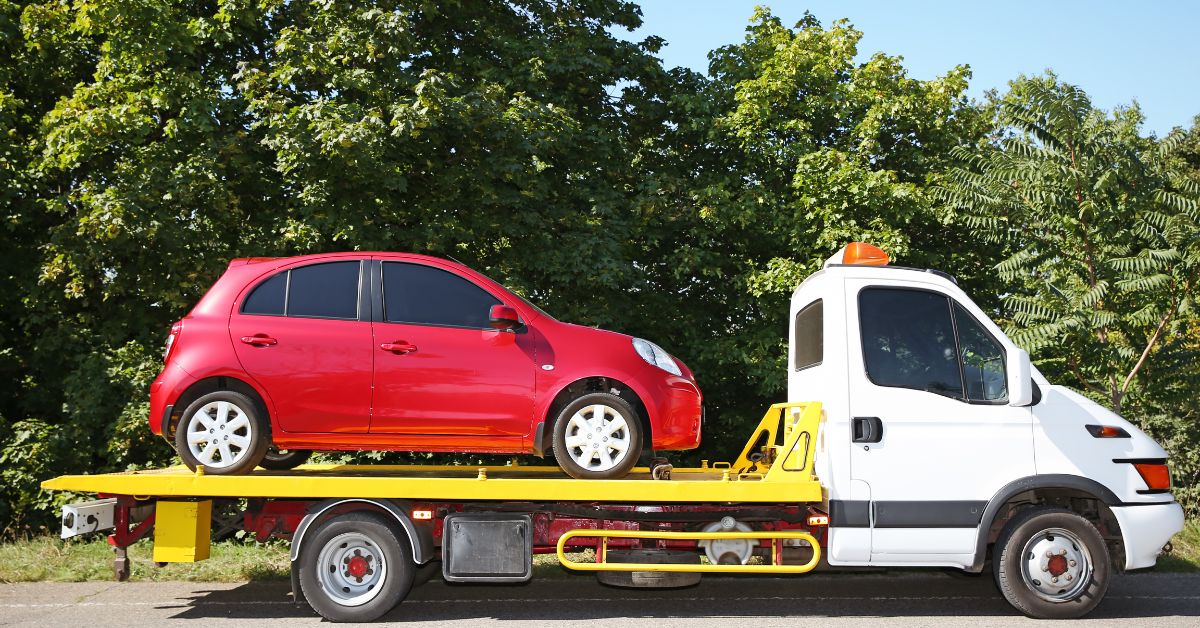
A non-running car attracts the wrong kind of confidence. The second it stops starting, half the city seems ready to explain why it is “basically worthless” and why you should take the first offer before the tow truck even warms up.
That is exactly how people get squeezed. In Calgary, the gap between a panic sale and a smart sale can be hundreds of dollars, sometimes more, and the owners who lose out are usually not careless people. They are busy, annoyed, and tired of looking at a car that has become a driveway ornament. That emotional fatigue is what lowball buyers count on.
The smarter move is slower by about ten minutes. If you know what buyers actually price, how towing gets folded into the offer, and why paperwork changes the conversation, you stop sounding desperate and start sounding informed. That shift matters. The market for cash for cars Calgary is not built around sympathy. It runs on metal, parts, logistics, demand, and risk. Once you see the deal through that lens, the whole thing gets easier to control. You do not need a working engine to negotiate well. You need a cooler head than the person trying to buy it.
Stop treating a dead car like a dead asset
The first mistake happens before you call anyone. Most owners look at a silent ignition and mentally move the car from “vehicle” to “burden,” and that mental switch hands power to the buyer before the price talk even starts.
Silence creates a discount
Uncertainty makes buyers bold. When you call and say, “It does not run, I just want it gone,” you hand them a blank space they can fill with the lowest number they think you might accept.
A better opening changes the whole mood. Tell them the year, make, model, rough mileage, where the car sits, whether the keys work, and what actually happened when it stopped running.
That is not overkill. That is control. I have seen people add money to their own deal just by sounding like they knew their own car.
Condition and value are cousins, not twins
A non-running car can still hold money in places you are not thinking about. The body panels may be usable, the wheels may be decent, the catalytic converter may still be there, and the battery may only be part of the problem.
Take a common Calgary example: an older Civic with engine trouble and ugly paint still carries value differently than a rarer car with a smashed rear end and missing parts. One looks rough but works as inventory. The other looks cleaner but bleeds value fast.
That is why “it does not start” should never be your only description. It explains the problem, not the worth.
Why cash for cars calgary quotes swing so widely
Once you stop thinking like a frustrated owner, the next thing becomes obvious: different buyers are not pricing the same thing. They may all want your car, but they may want it for very different reasons, and Canada’s used-vehicle market staying firm into early 2026 only adds more variation.
One buyer wants metal, another wants parts
A scrap-focused buyer sees weight first. A dismantler sees doors, lights, wheels, seats, modules, and anything else that can move again in the local parts market.
That second lane matters more than people think. Automotive Recyclers of Canada says recycled OEM parts often cost about half as much as new replacements, which helps explain why old vehicles still have a market even after their driving life falls apart.
So when one buyer throws out a thin offer and another comes in higher, it is not always because one is generous. They are reading different profit paths from the same dead car.
Distance, loading hassle, and paperwork change the math
A vehicle parked neatly in an alley-access garage is not the same job as one buried behind another car with locked wheels and no keys. Towing time, loading effort, and access headaches all land somewhere in the number.
Paperwork does the same thing. A buyer who has to chase ownership details or untangle a lien issue will protect themselves by pricing that risk into the offer.
None of that feels romantic. Good. Selling a non-runner is not romantic. It is a logistics puzzle with dollar signs attached.
Proof beats promises
This is where a lot of owners lose ground because they trust talk more than process. A smooth voice on the phone means very little if the paperwork turns messy at pickup, and Alberta has tightened the rules around scrap transactions while AMVIC still regulates many automotive businesses in the province.
Clean paperwork keeps the quote from shrinking
Alberta requires scrap metal dealers and recyclers to report covered transactions through a centralized database, and the rules expanded on September 1, 2025 to include business-to-business sales too. The province also requires traceable payment for covered transactions and proof of age from sellers.
That means paperwork is not just a boring afterthought anymore. It affects how quickly a legitimate buyer can complete the deal and how much confidence they have in the transaction.
Find your ownership first. Match the VIN if you can. Keep your ID ready. Those small moves stop awkward surprises from eating your price at the curb.
Missing documents do not always kill the deal
People panic when the registration is missing, but panic helps nobody. Some buyers can still work with alternative proof of ownership, though they will want the details upfront, not when the truck is already outside.
Honest disclosure helps here more than bravado. If the car belonged to a parent, if it sat for years, or if you moved houses and lost the document folder, say so early and let the buyer tell you what they need.
Lowballers love vague sellers. Clear sellers are harder to corner.
Free towing is not always free
This part deserves blunt language because the ads can get silly. Many Calgary buyers push free towing, fast pickup, and quick cash as their headline promise, but that promise means nothing if the final payout quietly shrinks once the truck arrives.
Ask for the amount in your hand
The only number that matters is the one you keep after loading, hauling, and transferring paperwork. Everything else is stage lighting.
Say it plainly: “What will I have in hand when the vehicle leaves?” That question cuts through sales talk faster than anything else.
One company may offer a higher headline number and then trim it for towing. Another may quote lower at first but stick to it. The second deal is often the better one.
Loading difficulty can shave the offer
A car with seized brakes, flat tires, no steering response, or a frozen parking spot takes more work to move. Buyers know that, and the honest ones will mention it before pickup instead of pretending it does not matter.
That does not mean you should expect a penalty for every inconvenience. It means you should describe access and condition with boring honesty.
Boring honesty pays. A surprise does not.
The parts still matter
By this point, you can see why “dead car” is too vague to be useful. The local market still values components because used parts save money, and that keeps plenty of non-runners from dropping to bare metal value alone.
Catalytic converters, batteries, and wheels carry weight
Some of the strongest value in a non-running car hides underneath it or bolts on more quietly than people expect. Catalytic converters, batteries, alloy wheels, and even intact electronics can shift an offer in a real way.
Calgary also tightened business-licence rules around catalytic converter transactions, and Alberta’s reporting rules now clearly cover converters among high-theft items. That pushes legit buyers toward cleaner records and more careful verification, which is good news if you are selling honestly.
So no, you should not casually strip parts because your cousin said you would “make more that way.” Sometimes you will. Often you will just create a weaker shell and a messier sale.
A complete car often beats a stripped one
Owners love the idea of removing the battery, stereo, wheels, and converter before selling. It feels clever. It often backfires.
A complete car gives the buyer options. They can dismantle it, resell usable pieces, recover the shell, and decide what path pays best after pickup.
A stripped car narrows those choices fast. Fewer options for them usually means fewer dollars for you.
Season changes your leverage
The weather in Calgary does not just punish vehicles. It changes urgency, and urgency changes pricing. A dead car in mild weather is one thing. A dead car locked into a driveway after a snap of deep cold is another thing entirely.
Winter breakdowns raise pressure
Cold weather exposes weak batteries, aging starters, tired alternators, and every little problem you hoped would wait until spring. A car that barely held on in October can quit hard in January.
That pressure can help or hurt you. It helps when buyers want quick inventory and common parts. It hurts when you wait too long and let the vehicle become harder to access or more annoying to move.
I have seen people lose leverage not because the car got worse mechanically, but because the season made the situation more irritating. Irritation is expensive.
Waiting feels smart until storage starts charging you
A lot of owners talk themselves into waiting for a “better month.” Meanwhile the car collects snow, city complaints, condo warnings, or family frustration.
Storage cost is not always a storage bill. Sometimes it is lost parking space, neighbour heat, or the slow drip of “I should deal with this” every time you look outside.
The best time to sell is usually the moment you know the car is not coming back into your routine without a repair bill you do not want to carry.
The buyer’s questions reveal the deal
You can tell a lot from the first two minutes on the phone. Good buyers ask things that help them price properly. Bad buyers ask almost nothing, then plan to do their real negotiating beside the truck.
Good buyers sound curious, not slippery
A solid buyer will ask for make, model, year, condition, location, ownership, and whether major parts are missing. They are building a number with actual inputs.
That curiosity protects you more than charm does. A buyer who asks the right questions has fewer excuses to “discover” problems later and chip away at the quote.
Pay attention to tone too. Calm detail usually beats hype. Hype is cheap.
Pressure is a pricing tactic
Some buyers rush on purpose. They want you to feel lucky that someone is even willing to take the car.
That is noise. A dead car in Calgary does not become worthless because a stranger speaks quickly on the phone.
When someone says, “I can come now, but only if you take this,” slow the conversation down. Pressure is not service. It is a discount tool pointed at you.
Close the sale like you know the market
The last step is where smart prep turns into money. Once you have the facts, the quotes, and the paperwork, the goal is not to drag the sale out. The goal is to end it cleanly, on terms you understand, with no mystery fee waiting at the curb.
Build a three-quote routine
Get three quotes on the same day and give each buyer the same details. That keeps the comparison honest and stops you from rewarding the person who simply asked fewer questions.
One company may frame itself around scrap car removal, another may talk up instant cash, and another may pitch local convenience. Strip the branding away and compare the final payout, pickup timing, and how clearly they explain transfer.
That little routine does more than find a better number. It changes your posture. You stop sounding stuck and start sounding selective.
Say yes only when the last detail is clear
Before you book pickup, confirm the amount, payment method, towing cost, pickup window, paperwork, and whether they need anything special for access. If one of those points stays fuzzy, keep calling.
This is where junk car removal should feel tidy, not theatrical. A proper deal sounds almost boring by the end because every moving part has already been discussed.
That is what you want. Calm details beat surprise drama every time.
A non-running car has a strange way of making good people act rushed. You are busy, the driveway looks worse by the week, and someone on the phone sounds very sure that the car is worth almost nothing. That is the moment to step back, not speed up. A dead vehicle still has value, but only if you sell it like someone who understands where that value hides.
The real win is not squeezing every last dollar from the deal with some heroic negotiation trick. The real win is avoiding the lazy losses: the towing fee buried inside the quote, the paperwork problem raised too late, the stripped parts that weaken your offer, the pressure call that makes you feel boxed in. Those mistakes cost more than people admit.
If you want the best result, get your ownership ready, describe the vehicle honestly, compare at least three same-day offers, and ask for the number you will actually keep when the vehicle leaves. Then move. A stalled car does not improve by sitting longer. When you approach cash for cars calgary with clear facts instead of frustration, you stop acting like someone unloading a problem and start acting like someone selling an asset. That is the difference between getting rid of a car and getting paid properly for it.
FAQs
How do I sell a car that does not start in Calgary?
Call a buyer, share the exact issue, confirm towing, and ask for the final payout before pickup. A non-starting car still has sale value, but you need honest details and clean paperwork if you want a quote that stays firm.
Do I need to repair my non-running car before selling it?
No, and most owners lose money when they try. Repair bills climb fast, and buyers rarely pay you back for every dollar spent. Selling the car as-is usually makes more sense when the vehicle already failed you mechanically and financially.
Can I get paid the same day for a dead car?
Yes, many local buyers can quote and pick up quickly if your paperwork is ready. Speed depends on your location, vehicle access, and how clearly you describe the condition. Clear facts shorten the process and protect your price today fast.
What documents do I need to sell my old car legally?
Bring proof of ownership, photo identification, and any lien details if money is still owed. A buyer may also ask for vehicle information to complete transfer records. Clean documents prevent delays, confusion, and last-minute price cuts at pickup easily today.
Will a towing fee come off my offer?
Sometimes, yes, even when ads sound generous. Ask one direct question: how much money will I receive after towing, loading, and paperwork? That final number matters more than the promise of a free pickup printed on a website banner online.
Why do quotes change after the tow truck arrives?
Quotes change when the seller hides damage, missing parts, access problems, or ownership issues. They also change when a buyer plays games. Give accurate details early, then choose the company that confirms the number in writing before pickup. clearly now
Does a missing battery ruin the sale?
No, but it can trim the offer. Buyers count the battery as part of the vehicle’s recoverable value, and they also think about loading effort. The sale still happens often, though the final payout may land a bit lower overall.
Can I sell a car without registration in Alberta?
Maybe, if you can still prove ownership another way. Honest buyers will explain what they need instead of guessing at the curb. Call first, describe your paperwork clearly, and never trust anyone who says documents do not matter. there now
Do non-running SUVs and trucks bring more money?
Often, yes, because larger vehicles carry more metal and higher-demand parts. Still, size alone does not guarantee a better payout. A smaller car with valuable components or a cleaner body can beat a heavier vehicle in rough shape. sometimes now
Should I take off the catalytic converter before selling?
No, leave it in place unless a buyer tells you otherwise in writing. A complete vehicle usually earns a better quote, and Calgary rules around converter sales add extra scrutiny. Pulling parts early often creates more headaches than profit anyway.
How many quotes should I get before saying yes?
Get at least three quotes on the same day using the same vehicle details. That little routine exposes weak offers quickly. One buyer pays for metal, another pays for parts, and a third may simply want quick inventory. first now
What details should I send for an accurate quote?
Send the year, make, model, mileage if known, major damage, whether it starts, and a few clear photos. Add your Calgary location too. Buyers price with more confidence when they do not have to guess around missing information. today now
Can I sell a non-running car with flat tires?
Yes, but say it upfront. Flat tires change loading time and equipment needs, so the buyer will factor that in. Hidden problems annoy tow operators and often reduce the payout, while honest disclosure keeps the deal smoother and steadier overall.
Is winter a bad time to sell a dead car?
Winter can actually help you if buyers need parts and quick inventory, but it also raises urgency for you. A car frozen into a driveway becomes harder to move. Sell before weather adds storage stress and towing complications. later now
What makes one buyer feel safer than another?
A safer buyer explains paperwork, confirms pickup terms, answers direct questions cleanly, and does not dodge licensing talk. Bad buyers rush you, keep the number fuzzy, or act offended when you ask sensible questions about payment and transfer. first now
Can I sell a financed car that no longer runs?
Yes, but you must deal with the lien honestly. Tell the buyer before pickup, ask your lender for the payoff amount, and make the release process clear. Hidden financing problems can stop the sale cold at the worst moment unexpectedly.
Should I accept the first offer if it sounds decent?
Usually not. The first quote might be fair, but you do not know that until you compare it with others. Ten extra minutes on the phone can reveal a better number, cleaner pickup terms, or both at once. today now
What if my car has engine failure and body damage?
It still may have real value. Buyers look at the full picture, not one problem in isolation. Even with engine trouble and body damage, the vehicle may hold converter value, reusable parts, and metal worth that supports a sale today.
Can I cancel after booking pickup if a better offer appears?
Usually yes, if you have not signed anything or handed over ownership, but read the terms first. Good companies stay professional about it. Pushy buyers may complain because they hoped speed would stop you from comparing numbers. later today now
What is the smartest first step before calling any buyer?
Write down the vehicle basics, take fresh photos, find your ownership papers, and note every obvious problem. That five-minute prep changes the whole conversation. You sound informed, buyers quote more accurately, and lowball tactics lose some power immediately. quickly now